
Products
‹
›
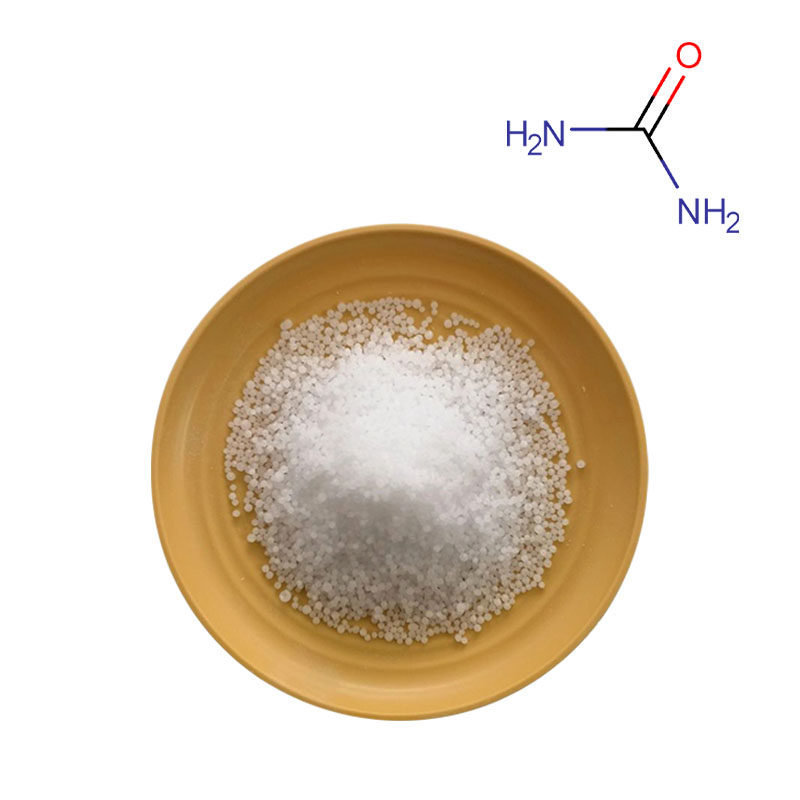
Urea CAS#57-13-6
Basic Information
Strong Hydrogen-Bonding Capability: Urea forms an extensive and stable hydrogen-bond network both in the solid state and in aqueous systems, enhancing its interaction with other molecules.
Excellent Water Solubility: Due to its strong affinity for hydrogen bonding with water, urea dissolves readily, enabling efficient use in aqueous formulations and processing systems.
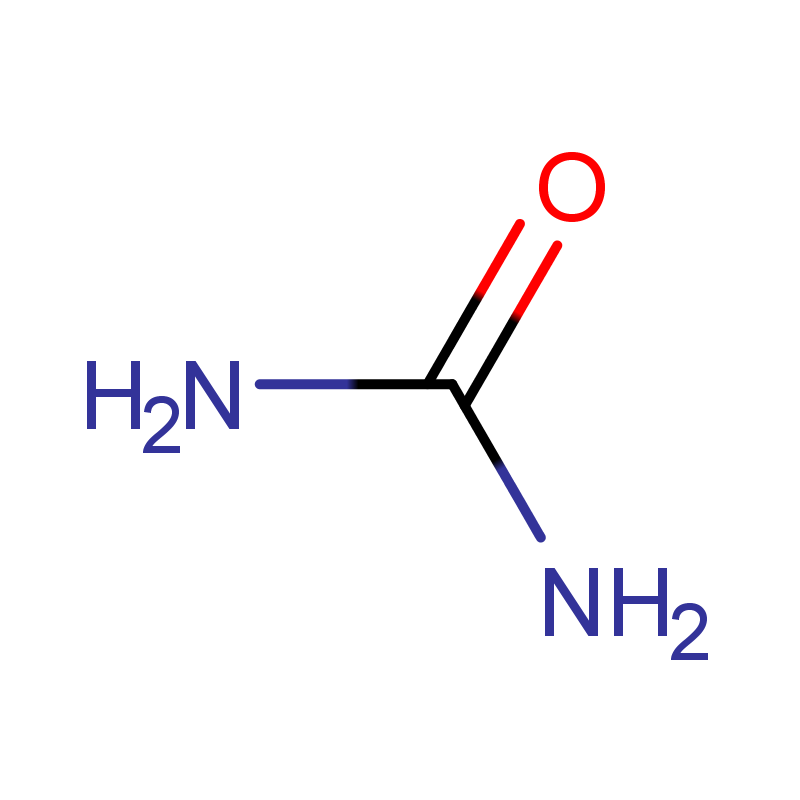
Chemically Stable and Reactive Structure: The sp²-hybridized carbon and partial double-bond character of the C–N bonds provide structural stability while maintaining useful chemical reactivity.
High Functional Polarity: The relatively basic carbonyl oxygen enhances urea’s molecular polarity, improving compatibility and performance in chemical, agricultural, and industrial applications.
Can't Find The Product You Need?
Tell Us Your Product Requirements, Specifications And Target Industry, Our Professional Team Will Reply You Within 24 Hours.
Navigation
Send Us A Message
Products Center
product description
Product Description of Urea CAS#57-13-6
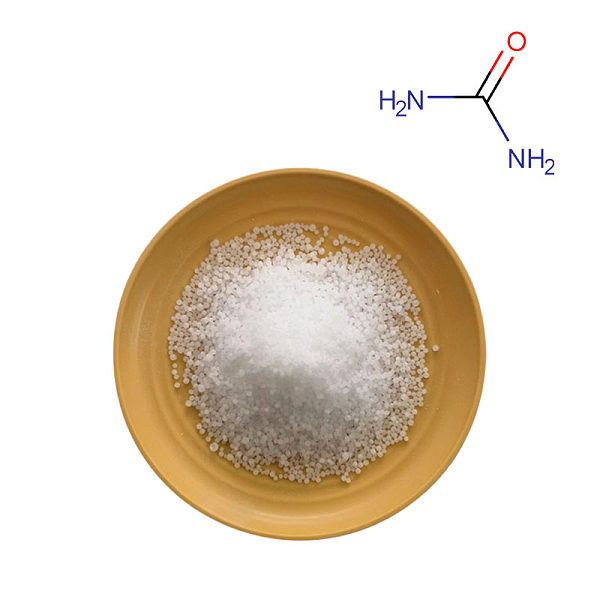
Urea displays state-dependent molecular geometry, adopting a planar configuration in the crystalline state but pyramidal nitrogen geometry in the gas-phase minimum-energy structure. In the solid phase, oxygen atoms form two N–H···O hydrogen bonds each, creating a stable hydrogen-bonding network that disrupts ideal packing and produces an open structure with ribbon-like arrangements and square cross-sectional channels. The sp²-hybridized central carbon imparts significant double-bond character to the C–N bonds, while the carbonyl oxygen shows greater basicity than in formaldehyde. Urea's high aqueous solubility arises from its strong hydrogen-bonding ability with water.
Product Application of Urea CAS#57-13-6
Urea is the primary nitrogen excretion product in mammals, synthesized in the liver from protein metabolism and eliminated in urine. It also occurs naturally in skin as an emollient with diuretic properties. In biochemistry, urea is widely used to denature proteins and solubilize insoluble protein species. It is particularly effective for renaturing proteins denatured with 6 M guanidine chloride, including inclusion bodies, and is often used in combination with guanidine hydrochloride and dithiothreitol to refold denatured proteins into their native conformations.
Products Center
Product Information
Parameters
Safety Information
Products Center
Factory Showcase

Products Center
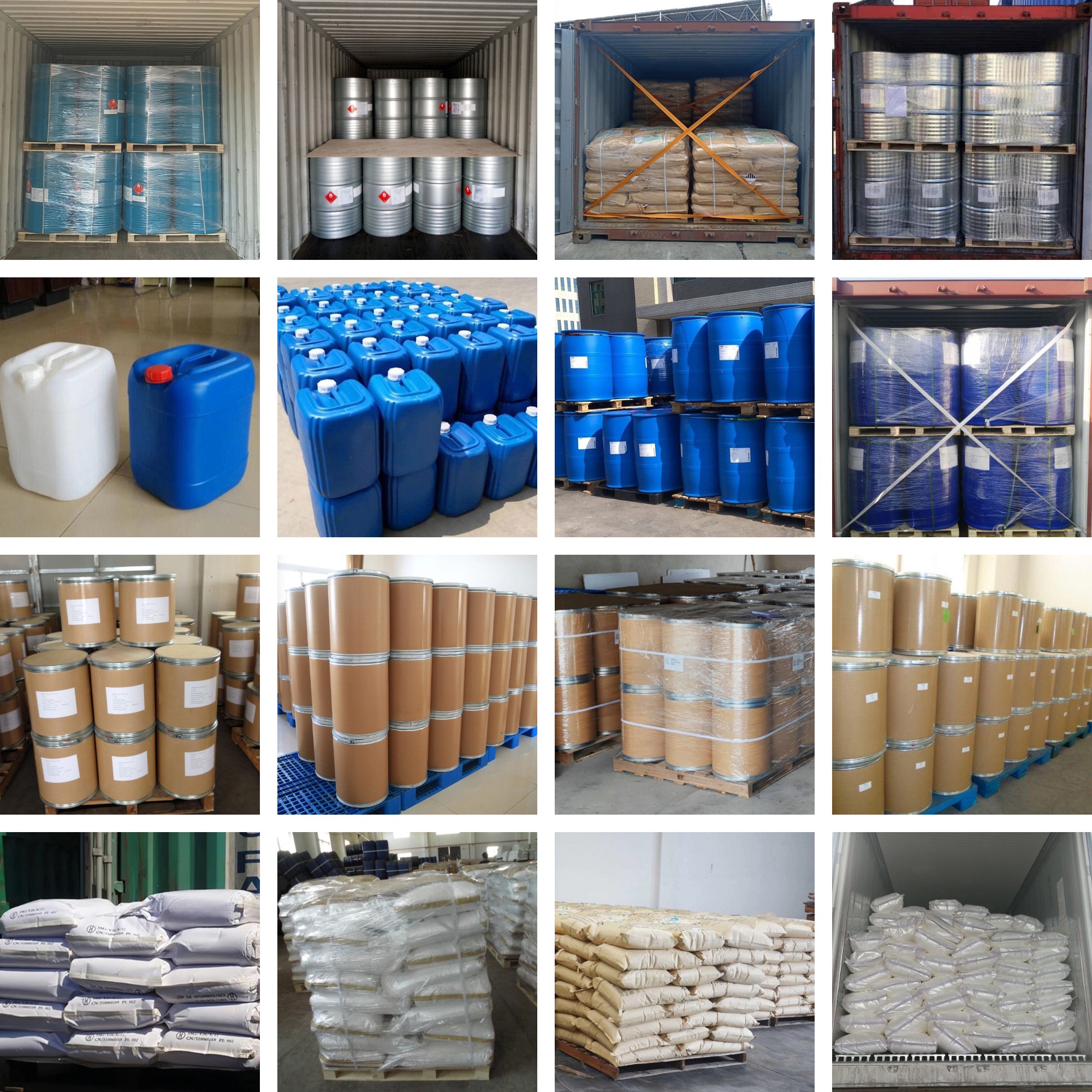
Shipping And Transportation
Products Center
FAQ
1. What kind of company is Bohai New Materials?
Bohai New Materials (Tianjin) Co., Ltd. is a foreign trade company specializing in the international trade of chemical products, located in the Binhai New Area of Tianjin. Leveraging the strategic location of Tianjin Port, the company provides one-stop procurement and export services to global clients for a wide range of products, including plastic resins, basic chemical raw materials, fine chemicals, chemical fiber raw materials, and inorganic chemicals.
2. Which markets does the company serve?
Our products are primarily exported to Southeast Asia (Vietnam, Thailand, Indonesia, Malaysia), the Middle East (UAE, Saudi Arabia), Africa (Nigeria, Kenya), as well as Europe and the Americas.
3. Does the company have the qualifications to export hazardous chemicals?
Yes. We hold a valid license for the operation of hazardous chemicals and are well-versed in the export declaration, packaging, documentation, and transportation requirements for various types of hazardous goods. We are capable of handling the export of Class 3, Class 5, Class 8, and Class 9 hazardous chemicals.
4. What are the company's main products?
Our core product portfolio includes:
Plastic resins: PP, PE, PVC, ABS, PC, POM, etc.
Basic chemical raw materials: Soda ash, caustic soda, titanium dioxide, methanol, styrene, ethylene glycol, PTA, etc.
Fine chemicals: Pharmaceutical intermediates, pesticide intermediates, chemical additives, solvents, surfactants.
Chemical fiber raw materials: Polyester filament, polyester staple fiber, polyester chips (PET).
Inorganic chemicals: Calcium carbonate, talc powder, sodium sulfate, calcium chloride, magnesium chloride, etc.
Others: Paraffin wax, white oil, petroleum jelly (Vaseline), rubber, water treatment chemicals, etc.
If you have specific product requirements, please feel free to contact us; we will quickly source high-quality products to meet your needs.
5. How can I obtain a product quote? What information is required?
You can contact us via our official website, by phone, or by email. To ensure a quick and accurate quote, please provide the following details: product name and specifications, target purchase quantity, destination port, and desired delivery time. Please also inform us of any special packaging or testing requirements.
Products Center
Contact Us
Products Center
Recommendation
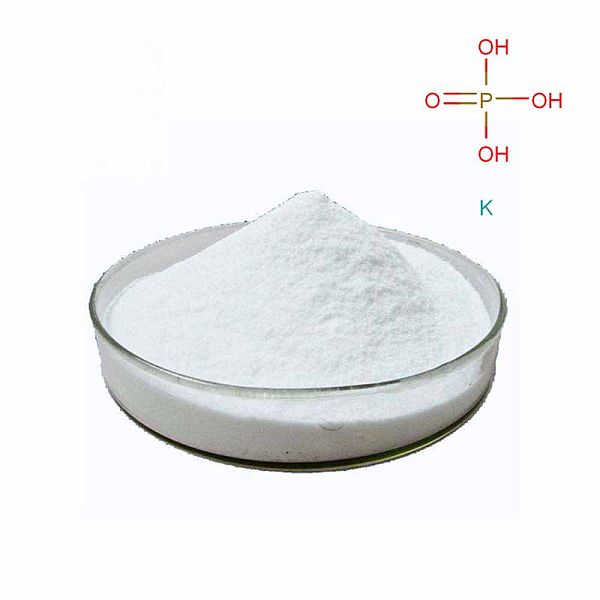
 Potassium Phosphate Monobasic CAS#7778-77-0Potassium Phosphate Monobasic CAS 7778-77-0 with high purity, strong solubility and buffering performance for food, feed, agriculture and industry.
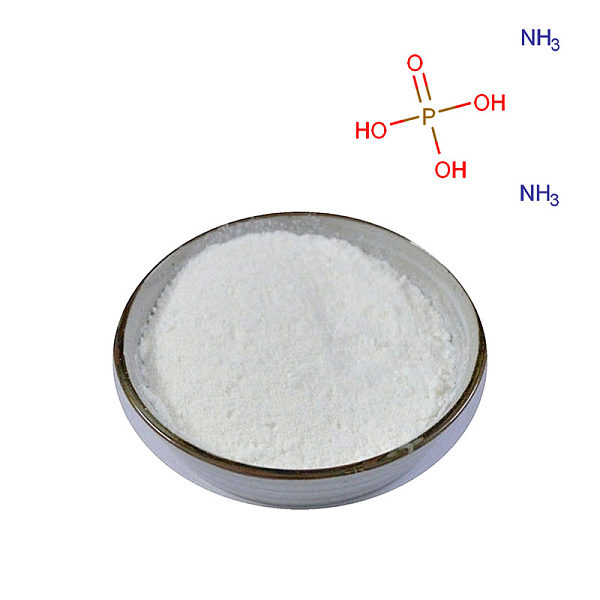
 Diammonium Phosphate CAS#7783-28-0Diammonium Phosphate CAS 7783-28-0 with stable quality, easy handling and wide use in fertilizer, food, feed and industrial applications.
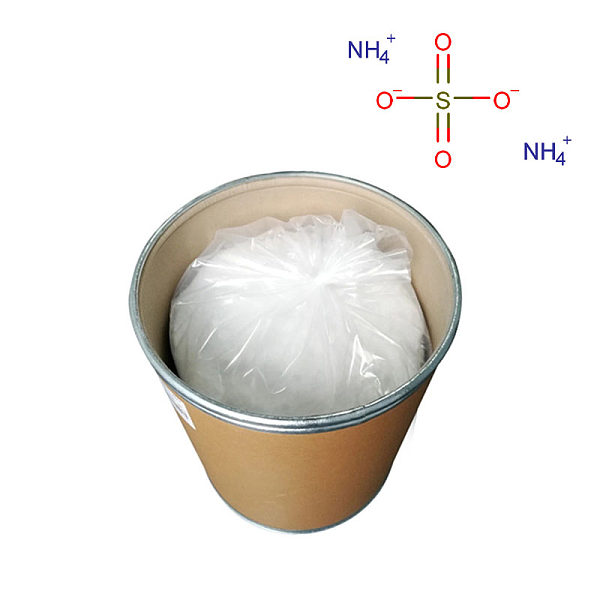
 Ammonium sulfate CAS#7783-20-2Ammonium sulfate CAS 7783-20-2 with ≥99% purity, high water solubility, and stable properties for fertilizer and industrial applications.
 Urea CAS#57-13-6
Send Us Your Inquiry Today
Luxi Chemical is a professional chemical product supplier with ample stock of all chemical categories and excellent quality, welcome your purchase inquiry.