
Products
‹
›
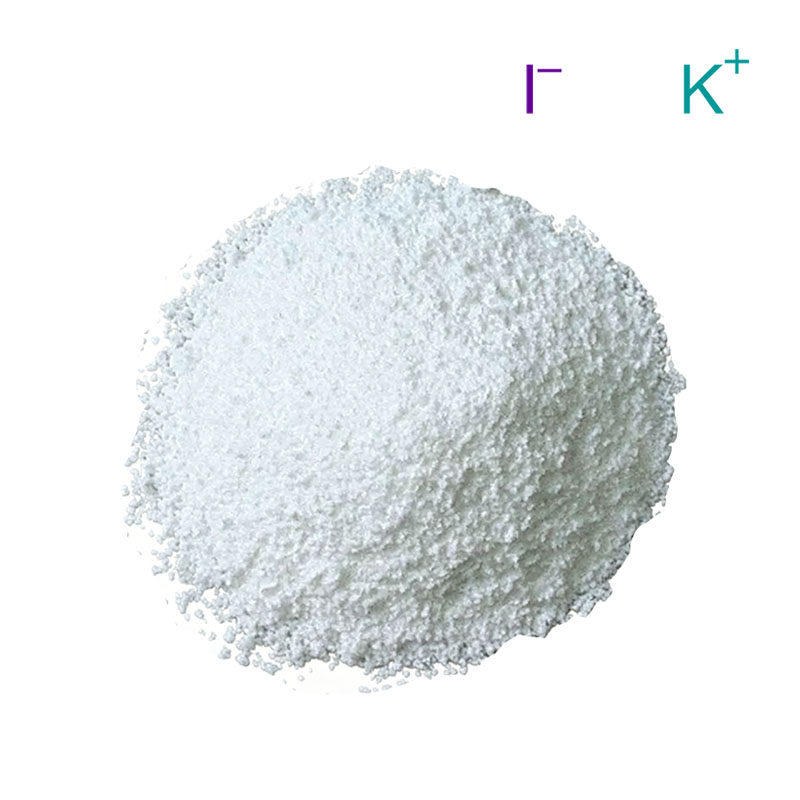
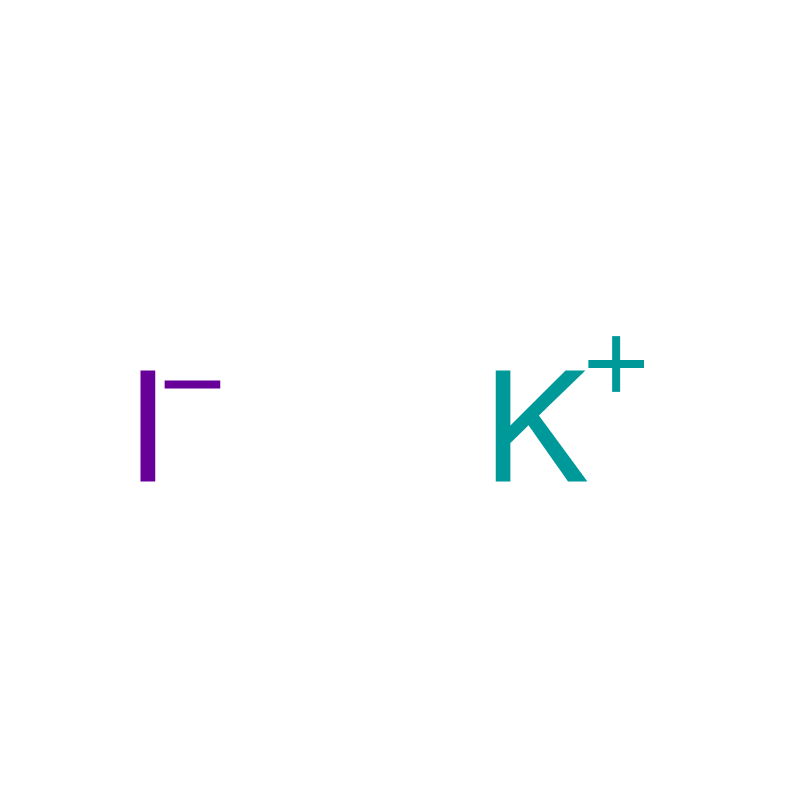
Potassium iodide CAS#7681-11-0
Basic Information
Excellent Solubility and Iodine Complexing Ability: Highly soluble in water and various organic solvents, and capable of dissolving iodine to form triiodide (I₃⁻), making it valuable in analytical and chemical applications.
Effective Iodine Supplement Source: Widely used as a non-radioactive iodine source in iodized salt to help prevent goiter and other iodine deficiency disorders.
Protective Thyroid Support: Can block the absorption of radioactive iodine (I-131) by the thyroid, offering protective benefits in radiation exposure scenarios.
Functional Biological Activity: Acts as a hydroxyl radical scavenger and expectorant, contributing to its pharmaceutical and therapeutic relevance.
Can't Find The Product You Need?
Tell Us Your Product Requirements, Specifications And Target Industry, Our Professional Team Will Reply You Within 24 Hours.
Navigation
Send Us A Message
Products Center
product description
Product Description of Potassium iodide CAS#7681-11-0
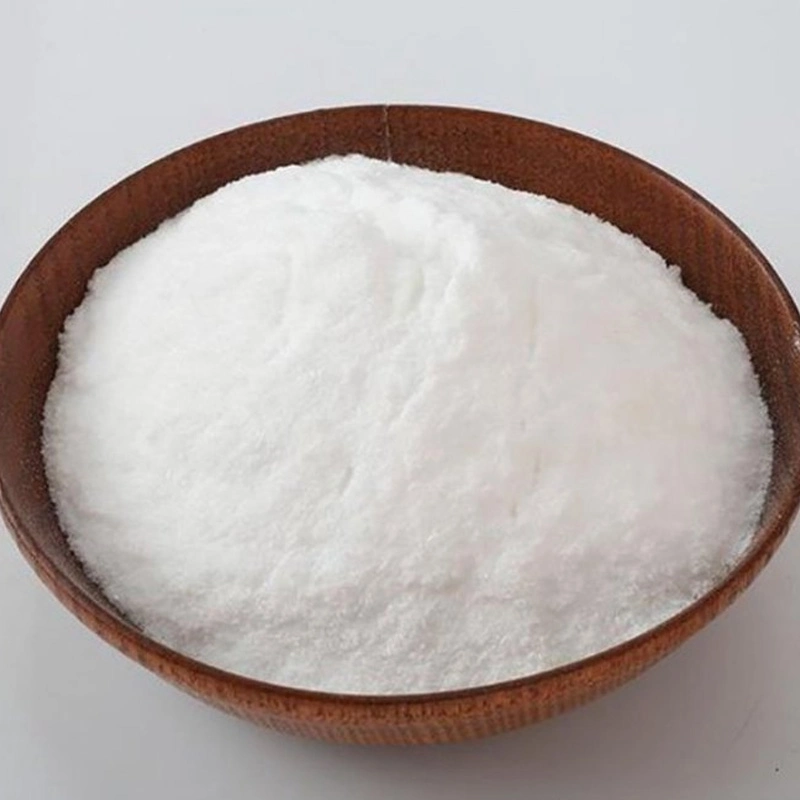
Potassium iodide is white crystal, granule or powder with a strong bitter saline taste. It gradually turns yellow under strong light due to photochemical decomposition releasing trace free iodine. It is easily soluble in water, alcohol, acetone and glycerol, and slightly soluble in ether and ammonia.
Product Application of Potassium iodide CAS#7681-11-0
Potassium iodide was firstly used as the main halide in Talbot’s calotype process, and later adopted in albumen-on-glass and wet collodion techniques. It also functions as a secondary halide in silver bromide gelatin emulsions. Besides, it is applied in animal feed, catalytic preparation, photographic chemicals and sanitation fields.
Products Center
Product Information
Parameters
Safety Information
Products Center
Factory Showcase

Products Center
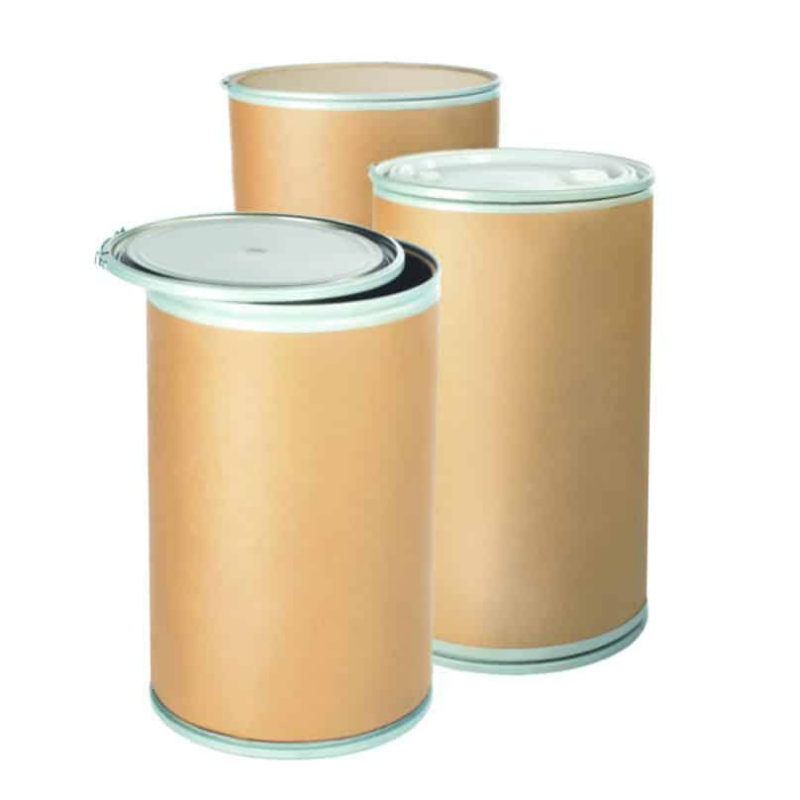
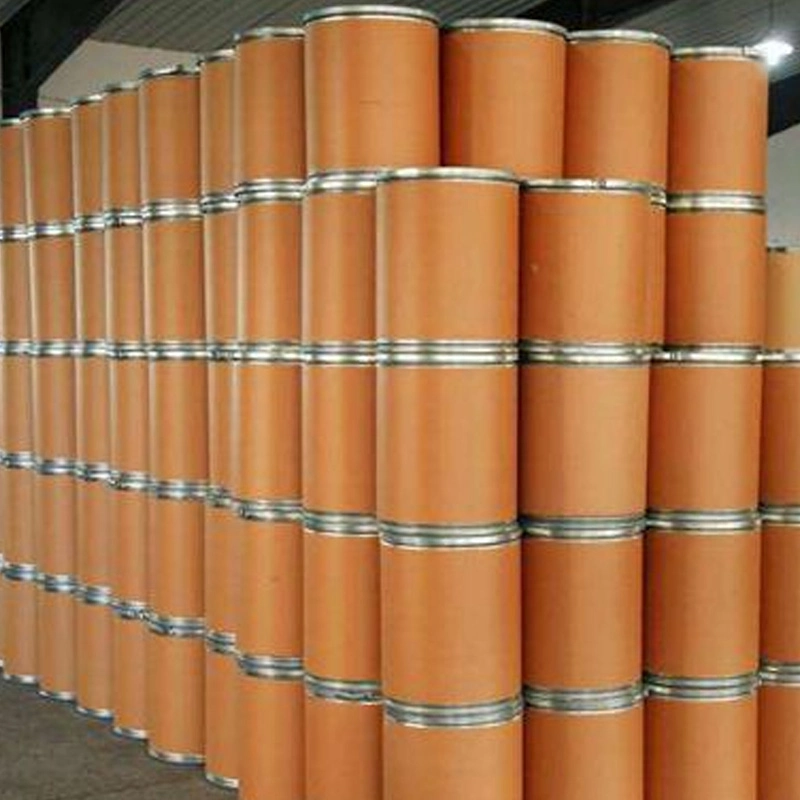
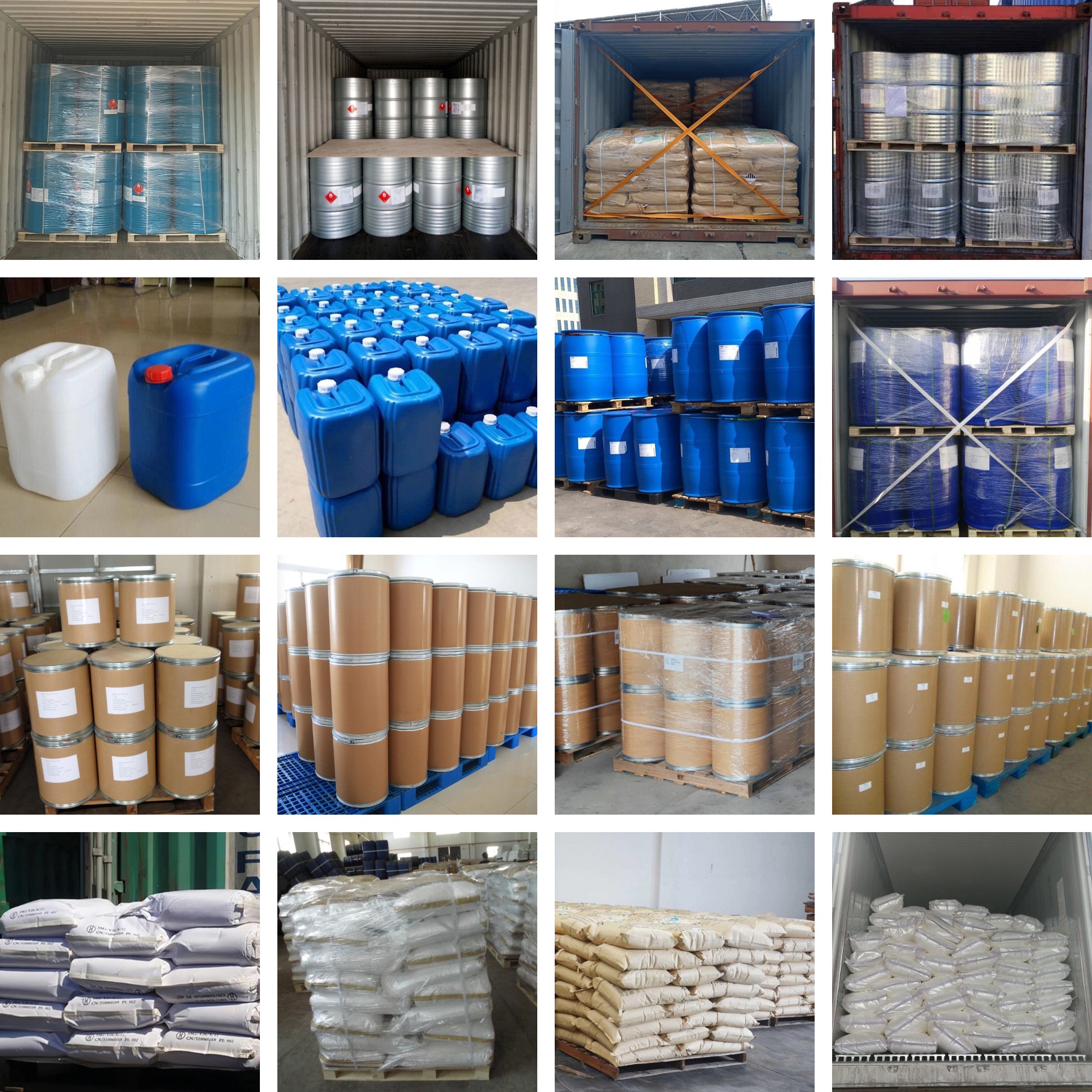
Shipping And Transportation
Products Center
FAQ
1. What kind of company is Bohai New Materials?
Bohai New Materials (Tianjin) Co., Ltd. is a foreign trade company specializing in the international trade of chemical products, located in the Binhai New Area of Tianjin. Leveraging the strategic location of Tianjin Port, the company provides one-stop procurement and export services to global clients for a wide range of products, including plastic resins, basic chemical raw materials, fine chemicals, chemical fiber raw materials, and inorganic chemicals.
2. Which markets does the company serve?
Our products are primarily exported to Southeast Asia (Vietnam, Thailand, Indonesia, Malaysia), the Middle East (UAE, Saudi Arabia), Africa (Nigeria, Kenya), as well as Europe and the Americas.
3. Does the company have the qualifications to export hazardous chemicals?
Yes. We hold a valid license for the operation of hazardous chemicals and are well-versed in the export declaration, packaging, documentation, and transportation requirements for various types of hazardous goods. We are capable of handling the export of Class 3, Class 5, Class 8, and Class 9 hazardous chemicals.
4. What are the company's main products?
Our core product portfolio includes:
Plastic resins: PP, PE, PVC, ABS, PC, POM, etc.
Basic chemical raw materials: Soda ash, caustic soda, titanium dioxide, methanol, styrene, ethylene glycol, PTA, etc.
Fine chemicals: Pharmaceutical intermediates, pesticide intermediates, chemical additives, solvents, surfactants.
Chemical fiber raw materials: Polyester filament, polyester staple fiber, polyester chips (PET).
Inorganic chemicals: Calcium carbonate, talc powder, sodium sulfate, calcium chloride, magnesium chloride, etc.
Others: Paraffin wax, white oil, petroleum jelly (Vaseline), rubber, water treatment chemicals, etc.
If you have specific product requirements, please feel free to contact us; we will quickly source high-quality products to meet your needs.
5. How can I obtain a product quote? What information is required?
You can contact us via our official website, by phone, or by email. To ensure a quick and accurate quote, please provide the following details: product name and specifications, target purchase quantity, destination port, and desired delivery time. Please also inform us of any special packaging or testing requirements.
Products Center
Contact Us
Products Center
Recommendation
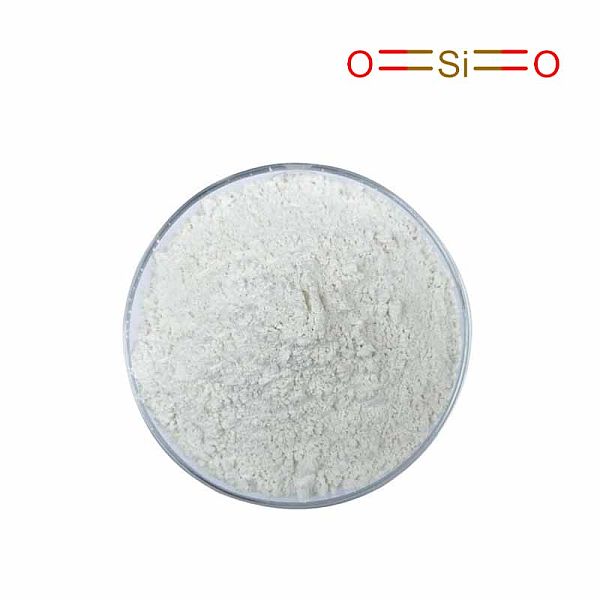
 Silicon dioxide CAS#7631-86-9Silicon dioxide CAS 7631-86-9 offers stable performance, anti-caking, adsorption and thickening functions for food, pharma, cosmetics and coatings.
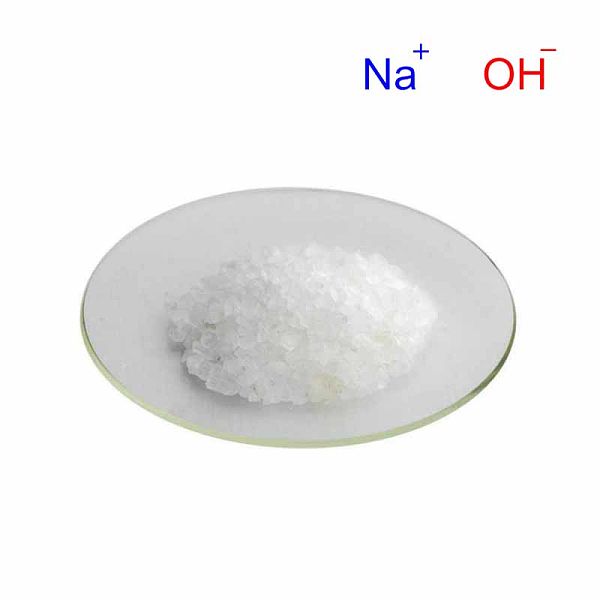
 Sodium hydroxide CAS#1310-73-2Sodium Hydroxide CAS 1310-73-2 offers strong alkalinity, fast solubility, and reliable performance for chemical processing and synthesis.
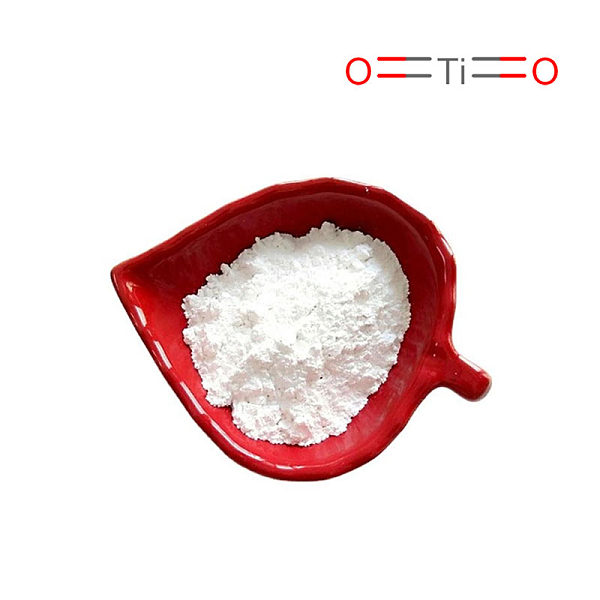
 Titanium dioxide CAS#13463-67-7Titanium dioxide CAS 13463-67-7 with high purity, UV stability, and opacity for coatings, plastics, cosmetics, food, and pharma use.
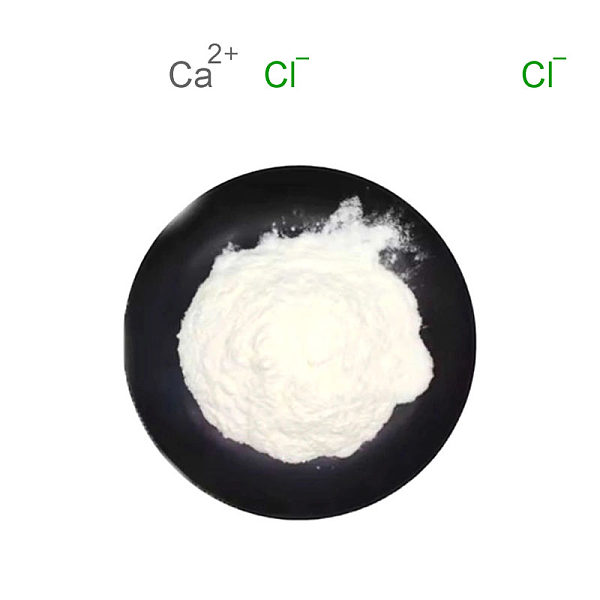
 Calcium Chloride CAS#10043-52-4Calcium Chloride CAS 10043-52-4 offers strong moisture absorption, fast solubility, and reliable performance for deicing, drying, and industry.
Send Us Your Inquiry Today
Luxi Chemical is a professional chemical product supplier with ample stock of all chemical categories and excellent quality, welcome your purchase inquiry.