


Send Us A Message
What drives agrochemicals prices when raw material costs rise
When raw material costs rise, Agrochemicals prices do not increase in a clean, one-to-one way. That is the first point worth getting clear. In real procurement work, the final price of an agrochemical product is usually shaped by several layers at once: feedstock costs, energy, plant operating rates, formulation availability, freight, regulation, seasonal demand, and the supplier’s own margin strategy. If you are assessing cost risk or supplier offers, the useful question is not “Did raw materials go up?” but “Which part of the value chain is actually tight, and for how long?”
A lot of buyers get stuck because they expect a direct formula. Raw material up, finished product up. Raw material down, finished product down. In chemicals, and especially in Agrochemicals, that is often too simplistic. Some products respond quickly to cost pressure. Others stay flat for a period because inventories are still available, contract prices are in place, or suppliers are protecting market share. Then the correction comes later, and sometimes more sharply than expected.
Why Agrochemicals prices often move differently from raw materials
An agrochemical product is not just a pile of upstream inputs with a markup added on top. Even for products that look comparable on paper, the pricing logic can differ depending on whether the cost pressure is hitting a key intermediate, a solvent system, packaging material, or energy-intensive manufacturing step.
Take a common procurement scenario. A buyer sees upstream benzene, phosphorus, chlorine derivatives, or solvent prices moving higher and assumes the entire category will follow immediately. Sometimes it does. But sometimes the producer had lower-cost inventory, or the bottleneck sits elsewhere, such as restricted technical-grade supply, environmental inspections, or weak downstream demand in a target export market. In that case, the supplier may absorb part of the increase temporarily.
In practical terms, Agrochemicals prices tend to react fastest when three things happen together: the feedstock increase is broad-based, inventories are low, and suppliers see no reason to defend price aggressively. If one of those three is missing, the market can behave in a much less predictable way.
Here is the short answer many procurement teams actually need: higher raw material costs matter, but they become real pricing pressure only when they coincide with limited supply, rising conversion costs, or firm demand. Without those conditions, cost inflation may stay upstream longer than expected.
The cost drivers that matter most in the real market
Raw materials are still the starting point, but not the whole story.
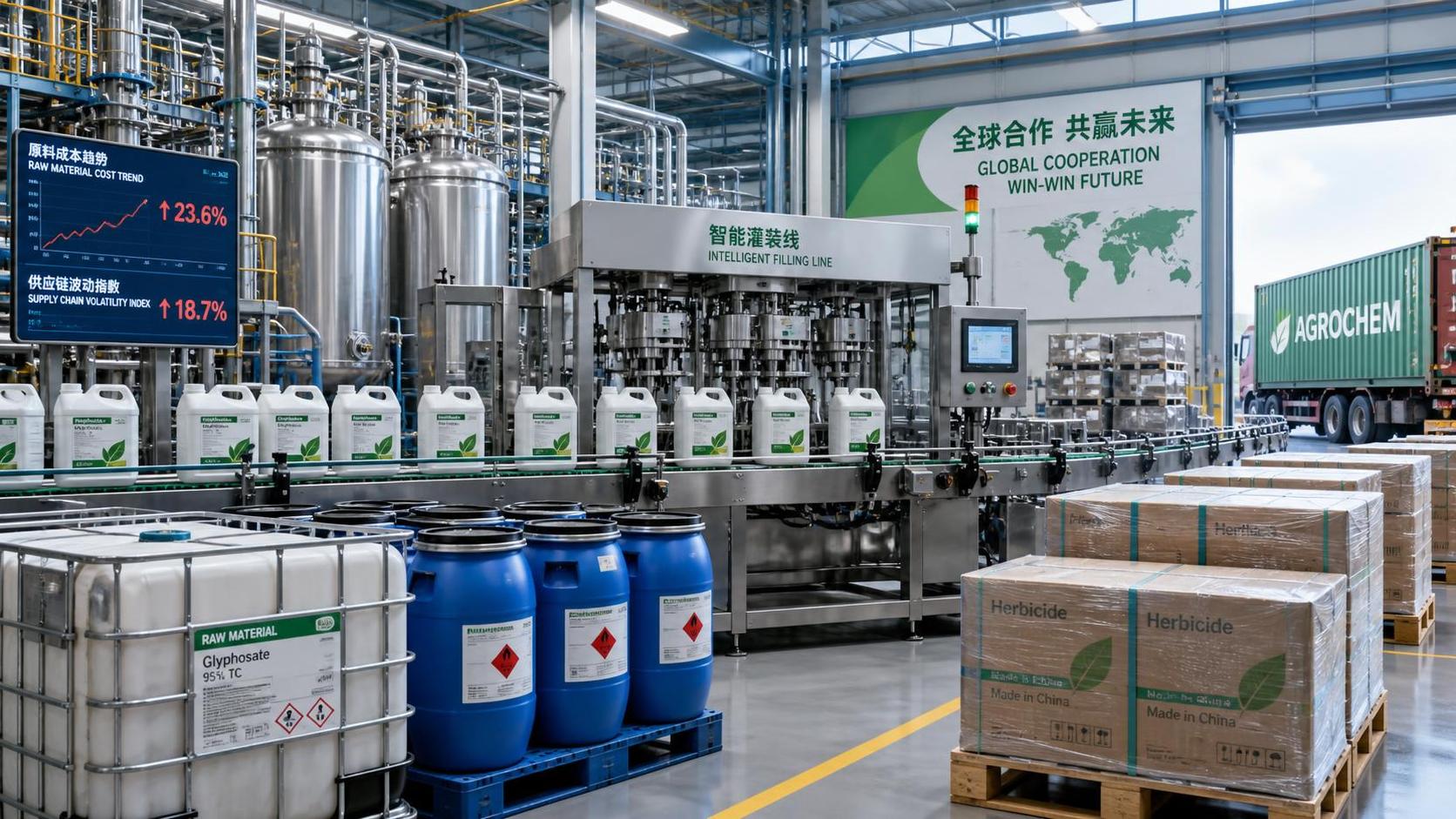
Feedstock volatility. Many agrochemical active ingredients and intermediates depend on upstream petrochemical chains, inorganic chemicals, or specialty intermediates with their own supply cycles. If the cost increase is concentrated in one critical input with few substitutes, the pricing effect is stronger than a general rise in lower-value additives.
Energy and utilities. This gets underestimated regularly. A plant producing technical material or carrying out multi-step synthesis does not just consume raw materials. Steam, electricity, cooling, and waste treatment can become significant cost burdens, particularly when energy markets are unstable. In periods of high energy costs, even suppliers with acceptable raw material positions may still raise Agrochemicals prices.
Operating rates and compliance costs. In the chemical sector, available capacity is never just a nameplate number. Local inspections, environmental controls, safety shutdowns, and permit issues can all reduce actual output. A product may appear adequately supplied in theory while remaining tight in the market because compliant production is limited. This is one reason business evaluators should be cautious about relying on “installed capacity” claims without checking real operating conditions.
Freight and delivery structure. For export-oriented procurement, shipping cost is not a side issue. It can materially change landed cost, especially for lower-value formulations, bulky packaging formats, or routes facing container imbalance. A stable ex-works price does not help much if the delivered cost is moving every few weeks.
Packaging and formulation inputs. Buyers sometimes focus only on the active ingredient and miss the effect of drums, fluorinated bottles, surfactants, solvents, labels, and regulatory packaging changes. When these costs rise together, the finished product can become more expensive even if the technical material itself is relatively stable.
What business evaluators tend to miss
One common mistake is treating all Agrochemicals as if they share the same pricing behavior. They do not. Commodity-like products with broad manufacturing bases usually show more transparent cost pass-through. Products dependent on fewer qualified manufacturers, specialized intermediates, or stricter registration conditions can behave much more abruptly.
Another mistake is overreacting to short-term upstream spikes. Not every cost jump should trigger immediate forward buying. If demand is soft, channel inventory is high, or the current season is nearly complete, suppliers may offer only limited increases or even maintain quotations to keep volume moving. Buying too early in those conditions can lock in inflated costs.
The opposite mistake also happens: waiting too long because spot prices have not moved yet. In some markets, especially where active ingredient supply is concentrated, pricing stays quiet until inventories clear, then jumps quickly. By the time the increase becomes visible in distributor offers, the best procurement window is already gone.
This is why timing matters as much as direction. Good cost evaluation is less about calling the exact bottom and more about recognizing whether a temporary pause is real market relief or simply delayed pass-through.
Supply chain structure changes the price outcome
Not all suppliers experience the same cost shock. A manufacturer integrated into upstream intermediates may have more room to keep prices steady than a trader buying in a tight spot market. A supplier with diversified sourcing may perform better than one dependent on a single production region. For international buyers, this distinction matters more than polished quotation sheets.
In actual sourcing work, the most reliable price assessments usually come from understanding chain position. Ask where the pressure sits:
- At the upstream raw material level?
- At the technical-grade manufacturing stage?
- In formulation and packaging?
- In export logistics and compliance?
If your supplier cannot explain which layer is driving the increase, that is a warning sign. Serious suppliers can usually tell you whether the problem is feedstock inflation, low operating rate, registration-related limitations, freight disruption, or a combination of these.
This is also where a trading company with broad chemical sourcing reach can be useful, provided it works transparently and with compliance discipline. Bohai New Materials (Tianjin) Co., Ltd., for example, operates across multiple chemical product categories, including basic chemical raw materials, fine chemicals, and inorganic chemicals. That kind of sourcing breadth can help buyers consolidate inputs and reduce coordination costs when procurement risk is not limited to one product line. It does not remove market volatility, but it can improve visibility and simplify supplier management in periods when several upstream categories are moving at once.
Regulation can outweigh raw material logic
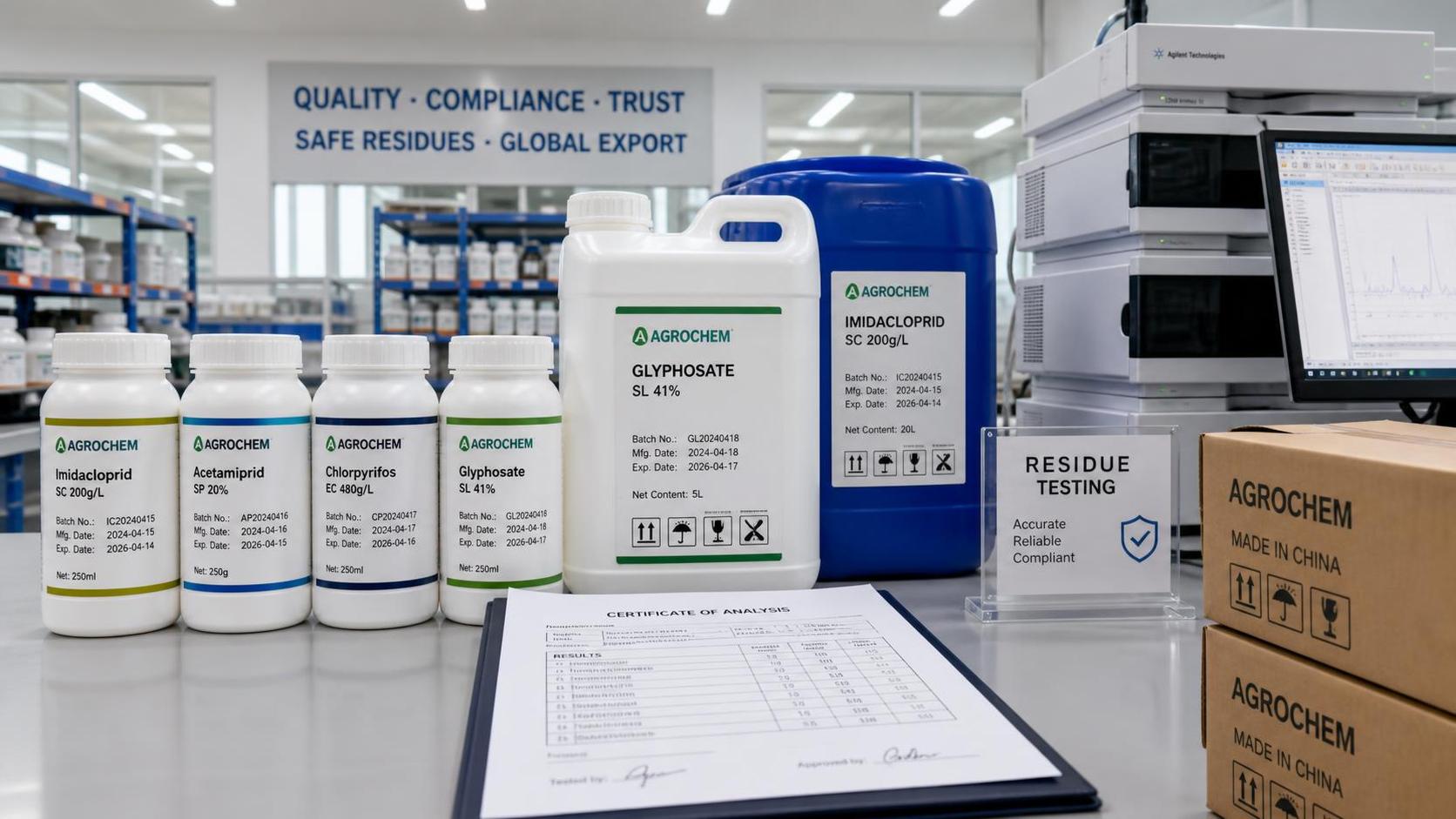
In Agrochemicals, regulation often has stronger pricing power than buyers expect. Registration requirements, residue restrictions, export documentation, hazardous goods controls, and local manufacturing inspections can all affect supply availability. A product may become more expensive not because chemistry changed, but because fewer compliant sellers remain active.
This matters especially in cross-border sourcing. The cheapest offer is not automatically the lowest-cost option if documentation gaps, labeling errors, or export compliance failures create delays, rework, or customs problems. Business evaluators should treat compliance cost as part of total cost, not as an administrative side note.
Where official policy, registration status, or trade restrictions are relevant, those points need to be verified against current regulatory sources and destination-market requirements. The same product can face very different commercial realities depending on where it is shipped and how it is registered.
How to read supplier price increases more accurately
When a supplier announces an increase, the useful next step is not arguing in general terms. It is separating immediate cost facts from strategic pricing behavior.
Some increases are driven by real replacement cost. If the next batch genuinely costs more to manufacture or procure, resistance may only waste time. Other increases are partly strategic. Suppliers use periods of market uncertainty to rebuild margin, especially after a long phase of compressed profitability.
A few questions usually reveal the difference:
- Is the increase linked to a specific upstream input or only described vaguely?
- Are lead times extending at the same time?
- Are alternative suppliers quoting similarly, or is the movement isolated?
- Is the supplier offering firm volume allocation, or only a higher price?
- Does the new quote apply to fresh production, or also to stock already available?
If the supplier wants a higher price but cannot commit on lead time or quantity, the issue may not be pure cost pressure. It may reflect uncertainty or opportunistic repricing. That does not make the offer invalid, but it should change how you evaluate it.
What to do when you are evaluating procurement risk
For a business evaluator, the decision is rarely just “buy now” or “wait.” It is usually about how much exposure to carry and where to place it.
A more disciplined approach is to split the decision into three parts. First, identify which products are truly vulnerable to upstream shocks. Second, check how much inventory flexibility exists in your own chain. Third, compare suppliers by resilience, not only by headline price.
In many cases, a mixed strategy works better than a single bet. Secure volume for high-risk items where supply could tighten quickly, while leaving some flexibility on products that still show weak demand or comfortable inventories. This is especially relevant when Agrochemicals prices are rising unevenly across categories rather than moving as a block.
Also, do not ignore the internal side of procurement. Payment terms, minimum order quantities, packaging options, and consolidation potential can materially change effective cost. A slightly higher unit price from a supplier that can combine multiple chemical raw materials into one coordinated export flow may still produce a better total procurement outcome than chasing the lowest single-item quote from fragmented sources.
Where the market often surprises buyers
The biggest surprise is usually not that costs rise. It is that market transmission is uneven. Some increases pass through late. Some never fully pass through because competition is too strong. Some overshoot because supply confidence disappears.
Another surprise is that downward correction can also be slow. When raw materials soften, buyers often expect immediate relief. But suppliers may hold Agrochemicals prices if they are still consuming high-cost stock, recovering earlier margin losses, or seeing no urgent pressure from customers. This is frustrating, but it is common.
That is why cost analysis should stay dynamic. A single upstream price chart does not tell you enough. You need to watch replacement cost, actual supply availability, inventory position, and demand timing together.
FAQ
Do Agrochemicals prices always rise when raw materials rise?
No. They rise most reliably when higher input costs coincide with tight supply, low inventory, or firm seasonal demand. Otherwise, suppliers may delay pass-through.
Should buyers lock in volume as soon as feedstock prices move up?
Not automatically. First check inventory levels, current operating rates, and whether the increase affects a critical input or only a secondary cost component.
Is the lowest quotation still a good benchmark in a rising market?
Only if supply, compliance, and delivery terms are comparable. In chemicals, a low quote with weak execution often becomes an expensive purchase.
What matters more: raw material cost or regulation?
It depends on the product. For some items, feedstock is the main driver. For others, registration and compliance constraints can have a bigger impact than upstream chemistry.
Internal link anchor text suggestions
- Agrochemical sourcing risk management: category page or blog article
- Chemical raw material export compliance: service page
- How to evaluate chemical suppliers in China: guide article
- Landed cost calculation for chemical imports: resource page
- Fine chemicals and inorganic chemicals sourcing: product overview page
External authority source directions
- Government pesticide regulatory authority pages in the destination market
- Industry association reports on crop protection and chemical supply chains
- Official customs, trade, or hazardous goods compliance guidance
Send Us Your Inquiry Today
Luxi Chemical is a professional chemical product supplier with ample stock of all chemical categories and excellent quality, welcome your purchase inquiry.